

 From intelligent heating to the smallest everyday conveniences, the most useful innovations are often those we barely notice.
Think about the technology you use at home every day.
Some of it is obvious: the television, your phone, the coffee machine on the kitchen counter. Other systems are far less visible. They control the heating, provide hot water, manage access to the building or help keep everything running comfortably behind the scenes.
We rarely give these things much consideration until something stops working.
And perhaps that is the clearest indication of good technology. When it works as intended, it becomes part of everyday life rather than something that constantly demands our attention.
As homes become increasingly connected, architects, developers and interior designers face an interesting challenge: how do we introduce new technology without making the experience of living somewhere unnecessarily complicated?
At Network-Inn, this is a question we have considered throughout the development of our residences.
Our approach is not to introduce technology simply because it is new or impressive. We are interested in the practical improvements it can make to comfort, convenience and the overall experience of living away from home.
A Home Should Work Around You
For many years, technological progress in the home was associated with acquiring more appliances.
A new television, a more sophisticated heating system or an additional kitchen gadget would promise to make domestic life easier.
Today, the direction is somewhat different.
Increasingly, technology is being integrated into the building itself. Rather than adding another device to a room, the objective is to make existing functions simpler, more reliable and less intrusive.
Consider something as ordinary as entering your home.
Traditionally, this involves finding a key, opening the door and remembering to lock it again when leaving. Electronic access systems offer an alternative, allowing entry to be managed digitally without relying entirely on conventional keys.
The change is relatively modest, but it can be particularly useful in serviced accommodation, where guests arrive at different times and may be unfamiliar with the property.
At Network-Inn, smart access technology forms part of our approach to making arrival and everyday access more straightforward.
The aim is simple: guests should be able to arrive, settle in and feel comfortable using their residence without unnecessary complications.
The Kitchen: Where Small Innovations Make a Difference
Some of the most noticeable improvements in modern residential technology can be found in the kitchen.
It is a space we use repeatedly throughout the day, often without thinking about the individual tasks involved.
Preparing breakfast, making coffee, cooking dinner or simply getting a glass of water all involve small routines that have remained largely unchanged for generations.
Take the traditional kettle.
It is familiar, inexpensive and perfectly effective. Yet the introduction of boiling water taps has offered an alternative that integrates one of its principal functions directly into the kitchen.
Quooker systems, which we have selected for our residences, provide boiling water directly from the tap, removing the need to fill and wait for a separate appliance.
It is not a revolutionary change to the way people live. But over several weeks or months, the convenience becomes part of the everyday experience.
There is also a design advantage. With fewer appliances occupying the worktop, the kitchen can feel more spacious and carefully organised.
Alongside premium coffee machines and thoughtfully selected kitchen fittings, these details contribute to spaces that are pleasant to use as well as attractive to look at.
For guests staying away from home for extended periods, a properly equipped kitchen is not an optional luxury. It is an important part of being able to maintain an ordinary, comfortable routine.
Rethinking Heating and Hot Water
Perhaps the most interesting advances in residential technology are those that remain largely out of sight.
Heating and hot water are good examples.
We expect our homes to be warm when necessary and to provide hot water reliably. How these services are delivered is something most people rarely need to consider.
Yet behind the walls, significant changes are taking place in the systems used to provide them.
At Network-Inn, we have incorporated Eirvolt infrared heating panels and Sunamp thermal storage technology into our residences.
Infrared heating works differently from conventional radiators. Rather than relying primarily on warming the surrounding air, infrared panels emit radiant heat, which is absorbed by people and surfaces within the room.
This can provide a different experience of warmth, while the discreet appearance of the panels allows them to be incorporated into the interior without dominating the space.
Hot water presents another interesting opportunity for innovation.
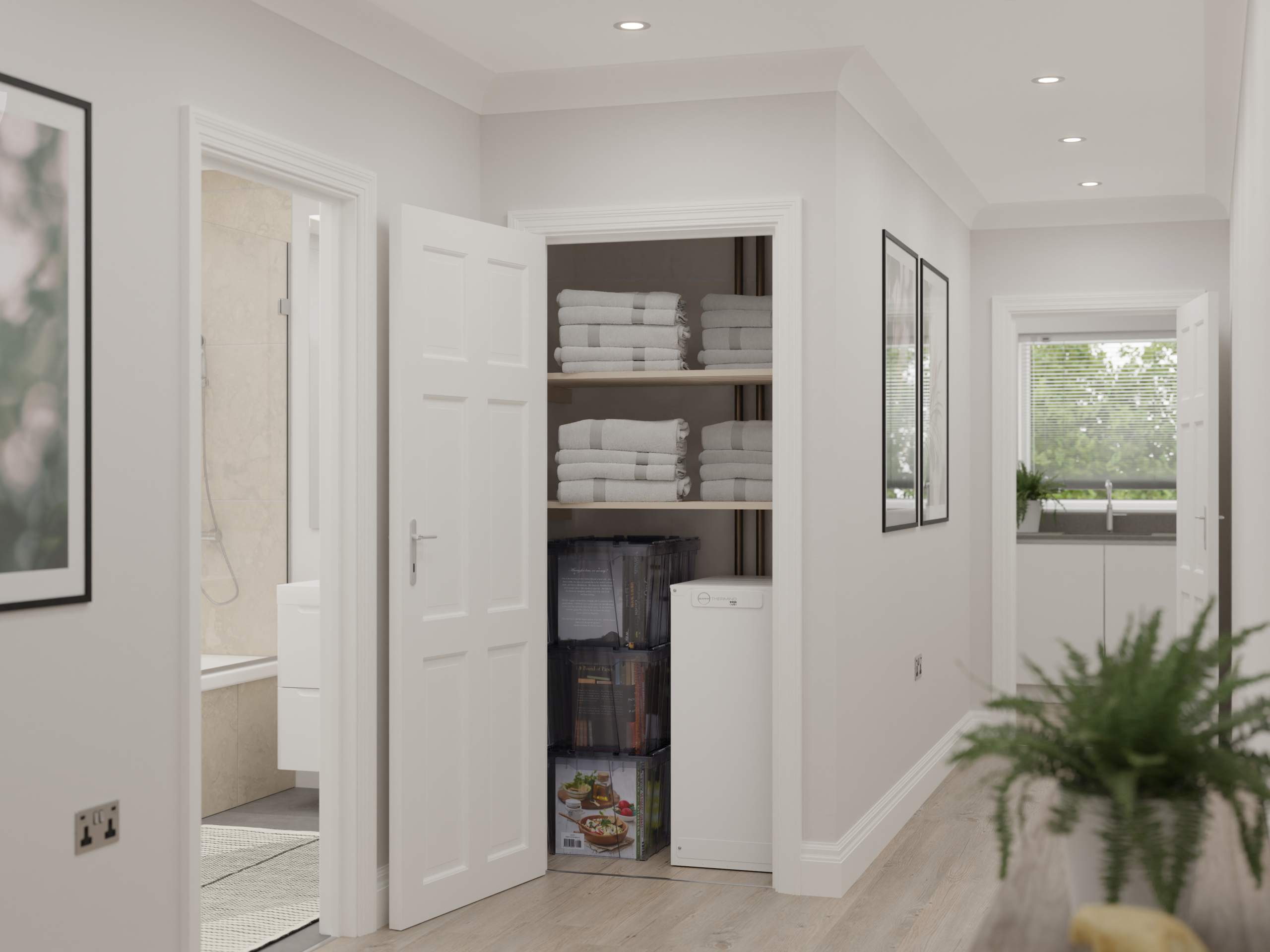
Sunamp’s Thermino heat batteries use phase-change materials to store thermal energy and release it when hot water is required.
Unlike a conventional hot water cylinder, which stores a volume of heated water, the system stores heat within a specialised material.
The technology also offers practical advantages in terms of compactness and heat storage.
Of course, the overall environmental and financial performance of any heating system depends on the building, its insulation, energy source, controls and how it is used.
No single product provides a universal solution.
Nevertheless, these innovations demonstrate how engineering can contribute to a more considered approach to residential design.
For the guest, the desired outcome is much simpler: a comfortable residence with reliable heating and hot water, without needing to understand the technology responsible for providing them.
Security Without Unnecessary Complexity
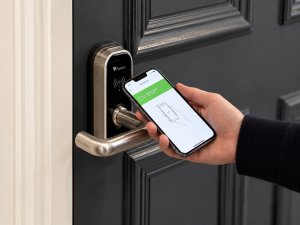
Technology also has an important role in the security and management of residential properties.
Electronic access controls, smart locks, intercoms and appropriately managed security systems can make a building easier to operate while supporting the safety and privacy of its occupants.
At Network-Inn, we have placed particular emphasis on secure, convenient access and the management of our residences.
The objective is to combine the independence of a private home with the reassurance of professionally managed accommodation.
Importantly, security technology should remain discreet.
Guests should not feel as though they are navigating a complicated system each time they enter their residence.
Equally, building safety deserves consideration beyond everyday access. Features such as automatic opening vents, where installed as part of a building’s fire safety arrangements, serve a different and essential purpose by supporting smoke ventilation.
Such systems may never be noticed during an ordinary stay, but they illustrate the importance of considering the entire building rather than concentrating solely on visible amenities.
The most thoughtful residences are often those in which the important details have been addressed long before the first guest arrives.
Technology Beyond the Front Door
Modern living is not confined to the home itself.
How easily someone can travel through a city, access local facilities or maintain their usual habits also influences their quality of life.
This is particularly relevant for professionals staying somewhere temporarily.
Arriving in an unfamiliar city often means learning new routes, understanding public transport and discovering the most practical ways to get around.
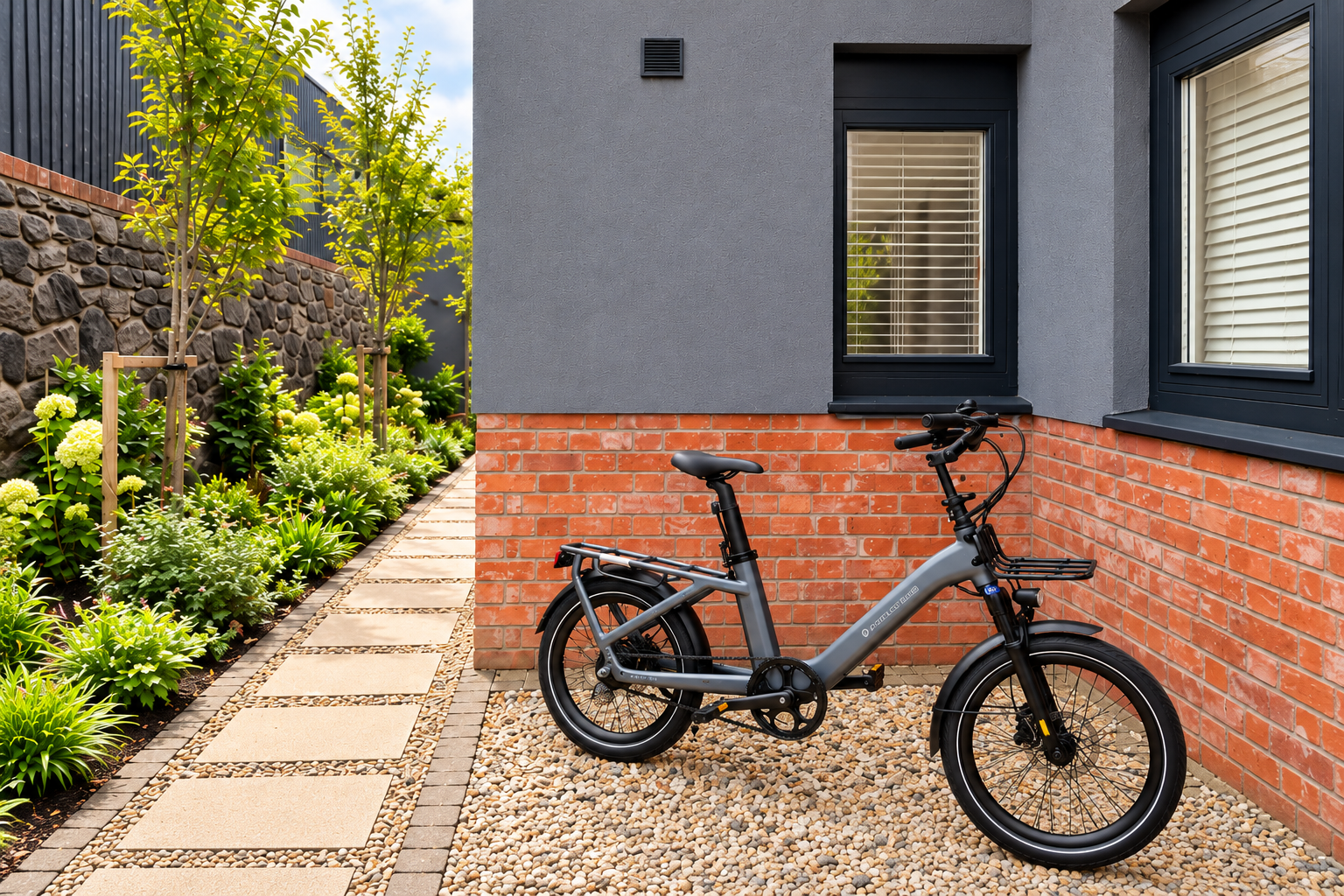
At our Dublin residences, ADO electric bicycles offer guests an additional option for shorter journeys.
For some, an e-bike may be a convenient way to reach a nearby destination. For others, it provides an enjoyable opportunity to explore the surrounding neighbourhood.
It is a practical example of how the residential experience can extend beyond the property itself.
Rather than considering accommodation as an isolated building, we believe it should be connected to the way people live, work and move around the city.
Technology can play a useful part in making that connection easier.
Where Technology Meets Hospitality
There is, however, an important distinction between making a home more technologically advanced and making it a better place to live.
The two do not always go hand in hand.
A complicated control system, however impressive its specifications, is of little value if a guest cannot operate it comfortably.
Similarly, automating every interaction is not necessarily an improvement on being able to speak directly with someone who can help.
As a family-led hospitality business, we believe that personal service remains essential.
Technology can simplify access, improve the management of our properties and support everyday convenience. But it cannot replace the reassurance of a welcoming team, the attention given to maintaining a residence or the value of someone responding personally to a guest’s needs.
In our view, the most successful approach is to combine the two.
Modern systems should handle the practical details they are best suited to, leaving people free to concentrate on the aspects of hospitality that benefit from a human touch.
The Future Is in the Details
It is tempting to imagine the home of tomorrow as something dramatically different from the one we know today.
Perhaps we picture fully automated rooms, elaborate control panels and appliances that anticipate our every movement.
Some of these technologies will undoubtedly find their place.
But the future of residential living may be rather less dramatic.
It may simply involve buildings that are easier to manage, rooms that are more comfortable, equipment that works more intuitively and services that fit naturally into our routines.
These are not always the developments that attract the greatest attention.
Yet they are often the ones that make the most meaningful difference.
At Network-Inn, our interest in technology begins with that principle. We want our residences to incorporate innovations that are useful, dependable and suited to the way our guests actually live.
Because ultimately, the measure of a well-designed home is not how much technology it contains.
It is how little you need to think about it.